
There is a quiet magic in learning how different cultures express celebration, like Merry Christmas in Japanese. For me, that magic began in my mother’s mochi shop in Japan, where winter carried the scent of warm rice and soft hands shaped dough in a rhythm I still remember. Even today, wherever I travel, that memory returns whenever I hear a gentle seasonal greeting spoken in Japanese.
That is why discovering how to say Merry Christmas in Japanese is more than learning a phrase.
It is a doorway into the atmosphere of a Japanese winter: soft lights, quiet streets, heartfelt greetings, and a sense of warmth that lingers long after December fades.
How to Say Merry Christmas in Japanese
The most common expression for Merry Christmas in Japanese is:
メリークリスマス (Merī Kurisumasu)
Pronunciation: meh-ree koo-ree-soo-mah-su
This is the phrase that appears on Christmas cards, bakery boxes, store decorations, and winter celebrations throughout Japan.
A more gentle, polite version often used in writing is:
**良いクリスマスをお過ごしください
(Yoi Kurisumasu o osugoshi kudasai)**
Meaning: “Please have a good Christmas.”
Both phrases are warm, simple, and widely understood.
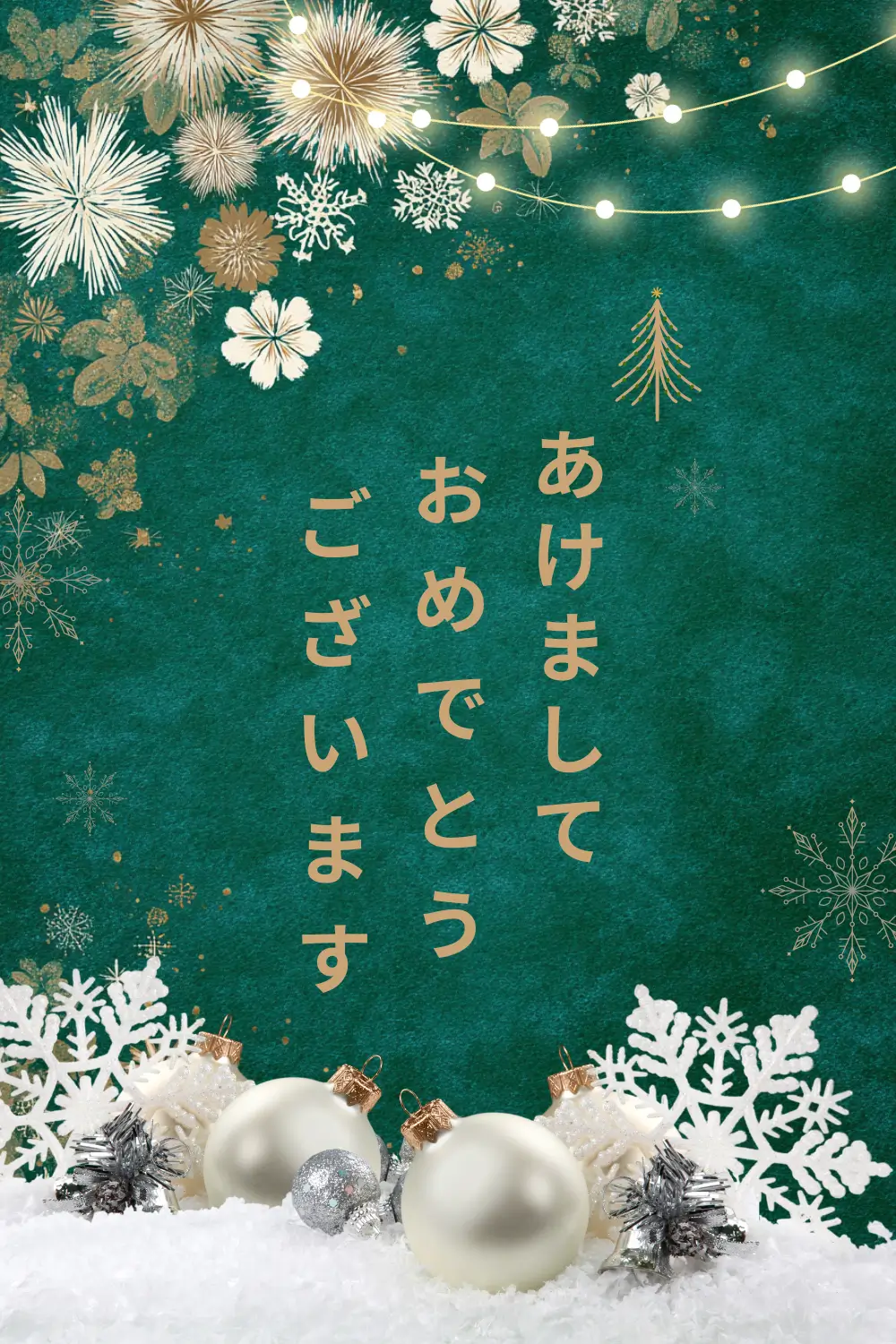
Why You’ll Also Hear “Akemashite Omedetō”
Because the Japanese Christmas season blends seamlessly into the New Year celebration, many cards include this essential greeting:
**あけましておめでとうございます
(Akemashite omedetō gozaimasu)**
Meaning: “Happy New Year.”
It holds deep cultural meaning and signals gratitude, renewal, and connection.
So a natural Japanese Christmas card often combines both holidays:
メリークリスマス。あけましておめでとうございます。
Merry Christmas. Happy New Year.
This pairing feels authentic and reflects how Japan celebrates the end of the year.
A Quick Look at Christmas in Japan
Christmas in Japan is not religious but joyful and winter-themed. It is known for:
- Illuminations
- Cozy seasonal meals
- Gift-giving between partners or family
- Christmas cakes and bakery traditions
- Soft winter greetings
If you love exploring Japanese seasonal traditions through sweets, you might enjoy my guides to Strawberry Mochi or my simple and nostalgic Easy Mochi Recipe.
How to Write Merry Christmas in Japanese Cards
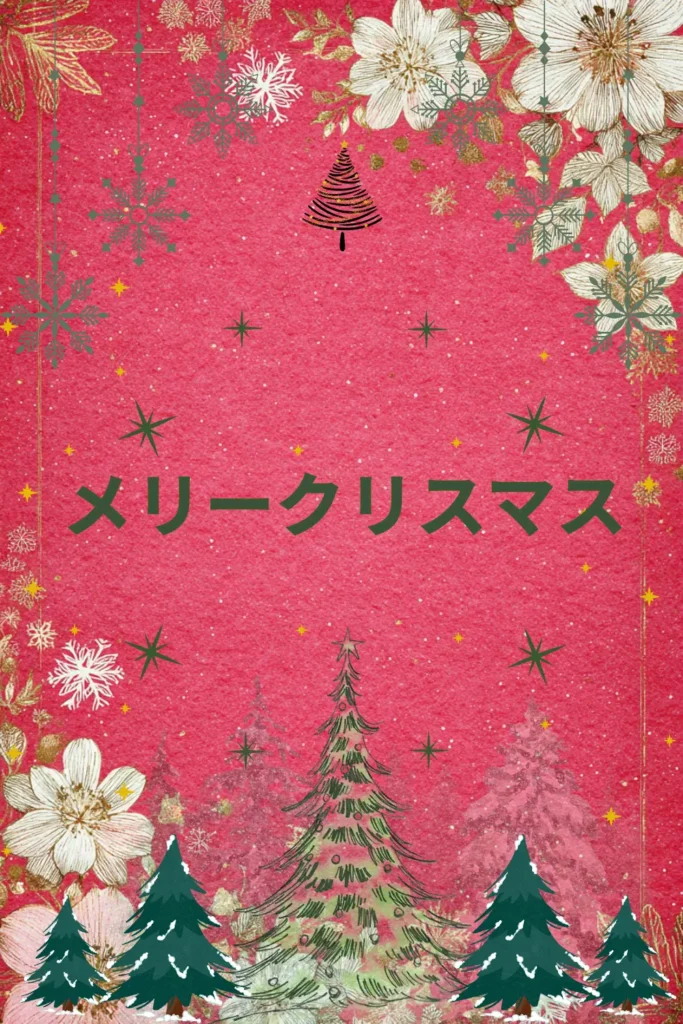
Japanese Christmas cards tend to be delicate, understated, and inspired by nature. Designs often include watercolor scenes, snow-covered landscapes, red berries, or hand-drawn winter motifs.
Here are natural greetings to include:
メリークリスマス
Merry Christmas.
すてきなクリスマスをお過ごしください
Have a lovely Christmas.
今年もありがとうございました
Thank you for everything this year.
来年もよろしくお願いします
I look forward to your continued kindness next year.
あけましておめでとうございます
Akemashite Omedetō — Happy New Year.
Together, these expressions create a heartfelt and culturally polite holiday message.
A Perfect Japanese Card Message You Can Copy
Here is a complete message that feels authentic and seasonally appropriate:
メリークリスマス。
今年も大変お世話になりました。
すてきなクリスマスをお過ごしください。
あけましておめでとうございます。
来年もよろしくお願いします。
This structure reflects gratitude, warmth, and the gentle tone of Japanese winter greetings.
When to Send Christmas Cards in Japan
Most Christmas cards are sent:
- Between December 10–20
- Before the large wave of New Year cards (nengajo)
- To friends, coworkers, teachers, and family
Christmas cards are not as traditional as New Year cards, but they are increasingly popular, especially among younger generations.
Short Seasonal Captions in Japanese
For social media or simple messages:
メリークリスマス。暖かい冬をお過ごしください。
Merry Christmas. Wishing you a warm winter.
Or:
メリークリスマス。そして、あけましておめでとうございます。
Merry Christmas, and Happy New Year.
For more global holiday inspiration, explore my Pinterest cards.
FAQ About Saying Merry Christmas in Japanese
1. Is “Merry Christmas” commonly used in Japan?
Yes. メリークリスマス is widely used and easily recognized.
2. Can I write both Christmas and New Year greetings together?
Yes. It is very common to combine both in a single card.
3. What does “Akemashite Omedetō” mean?
It means “Happy New Year,” and it is a significant cultural expression.
4. Are Christmas cards traditional in Japan?
They are growing in popularity, though New Year’s cards remain the main end-of-year tradition.
5. Can I write English on a Japanese Christmas card?
Absolutely. Many cards blend English and Japanese for a warm, modern touch.

Final Thoughts
Learning how to say Merry Christmas in Japanese offers more than a translation. It brings you into the heart of Japan’s winter season—quiet, graceful, and full of subtle beauty. Adding Akemashite Omedetō completes that picture, connecting Christmas warmth with the spirit of renewal that defines the Japanese New Year.
Wherever you celebrate this season, may your greetings feel meaningful and your winter full of gentle moments—just like the ones I grew up with in my mother’s little mochi shop.